

This story is part of a series of stories examining the total cost of risk, and the four areas motor carriers should consider when developing a risk management strategy. The first part of this series focused on risk transfer and the role insurance plays in risk management. Part two of the series addressed risk control, particularly the costs motor carriers face in preventing and mitigating losses. This article explores the administrative costs associated with risk management.
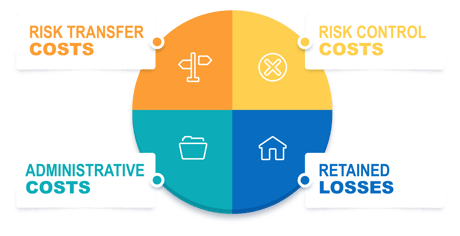
Safety efforts aim to protect employees from injuries, reduce the likelihood of accidents, and ensure compliance with regulatory requirements. However, while these benefits are clear, it is important to acknowledge the administrative costs associated with implementing and maintaining them. Below are a few administrative costs to consider, keeping in mind that investing in safety and regulatory compliance are expenses that can help reduce losses and boost revenue potential if properly managed.
Personnel Costs
One of the primary administrative costs of a safety program is related to personnel. These costs include the salaries of safety officers, managers, and other staff responsible for overseeing the program. These individuals are tasked with developing safety policies, conducting training, performing risk assessments, and ensuring compliance with safety regulations. Acquiring expertise in the area requires specialized, external training and certifications; those who have the credentials or competencies may require higher salaries. Additionally, the more complex the organization, the more personnel might be needed to manage safety effectively.
In addition, employee safety training can incur direct costs, such as a trainer’s salary and course materials, and indirect costs, including lost productivity when employees are in training.
Documentation and Reporting Costs
Documentation is a critical component of risk management. Motor carriers should retain detailed records of all safety efforts, including incident investigations, facility inspections, and training. This administrative burden often requires dedicated staff or additional responsibilities for existing employees, and it can be time consuming and costly. Ensuring all documentation is accurate, up to date, and readily accessible adds to the administrative costs.
Technology Costs
Motor carriers often invest in technologies to help effectively manage risk. These systems can include fleet management software, inward- and outward-facing cameras, and driver screening services such as the FMCSA’s Pre-Employment Screening Program. While this technology can help streamline processes, facilitate communication, and assist with documentation and reporting, it comes with upfront costs and ongoing maintenance expenses.`
Acquiring new technology often requires a significant initial investment. These expenses may include purchasing software, customizing it to the organization’s needs, and training employees how to use it. After the initial implementation, additional costs may be associated with maintaining the software, including updates, technical support, and potential upgrades as the organization’s needs evolve. In some cases, motor carriers might need to invest in new hardware, such as tablets or mobile devices, to allow employees to access safety systems. These costs can add up, particularly in large organizations with multiple sites.
Indirect Costs
As mentioned earlier, several indirect administrative costs are often associated with a motor carrier’s safety efforts. Here are a few costs to consider:
- Lost Productivity
In addition to time away from work to attend training or conduct an incident investigation, consider the lost productivity when an employee is injured or a truck is in the shop following an accident. Requiring another employee to fill those shoes or renting a replacement vehicle can impact workloads, revenue, and customer service—all indirect costs of a loss. - Turnover and Recruitment
A robust safety program can increase employee retention by creating a safer work environment and boosting morale. However, many motor carriers experience high turnover rates, and the administrative costs associated with recruiting and training new employees can be significant. - Legal and Insurance Costs
Failing to maintain an effective safety program may lead to increased legal and insurance costs. While these may not be direct administrative costs, the administrative effort required to manage legal issues, handle claims, and shepherd an injured employee’s return to work can be substantial.
In conclusion, the direct and indirect administrative costs of managing risk can be significant for a motor carrier. However, these costs are often necessary to help protect employees, comply with regulations, and avoid more significant financial liabilities in the future. By effectively understanding and managing these costs, motor carriers can balance safety and economic efficiency, which can help to create a safer and more productive work environment.
Note: These lists are not intended to be all-inclusive.
Call to Action
-
Consider investing in inward- and outward-facing cameras for each truck.
The information in this article is provided as a courtesy of Great West Casualty Company and is part of the Value-Driven® Company program. Value-Driven Company was created to help educate and inform insureds so they can make better decisions, build a culture that values safety, and manage risk more effectively. To see what additional resources Great West Casualty Company can provide for its insureds, please contact your safety representative, or click below to find an agent.


Why Risk Transfer is Essential to a Motor Carrier
Trucking is a bustling industry, where the movement of goods is constant and motor carriers are responsible for delivering freight efficiently and on time. These factors naturally create risks and can expose...
Continue Reading
Why investing in risk control is important
There are risks inherent to trucking; managing those risks effectively is not free. Motor carriers understand this fact very well because the effort required to avoid, prevent, and mitigate losses...
Continue Reading
Total Cost of Risk: Understanding Administrative Costs
In the Summer 2024 edition of Safety Talk, we began discussing the total cost of risk, and the four areas motor carriers should consider when developing a risk management strategy...
Continue Reading
Insurance Contracts are Underwritten, Administered, and Issued by: Great West Casualty Company, Old Republic Life Insurance Company, and Old Republic Union Insurance Company.
One or more Old Republic companies may provide the products and/or services described. Information presented is for illustrative purposes only and does not constitute a contract or advice, including employment advice or advice to motor carriers. Please refer to the relevant insurance policy for actual terms. Products and services may not be available in all states and may be subject to change without notice. © 2026 Old Republic International Corporation. Old Republic® and the Old Republic Circle of Stars monogram are registered trademarks. All Rights Reserved.
